ServicesEmergency Dentistry
Emergency Dentistry in Highland Village
A cracked tooth, a lost filling or an ache that keeps you up at night deserves a clear answer. We find the cause, ease the pain, and explain your options and what your insurance is likely to cover before any treatment begins.
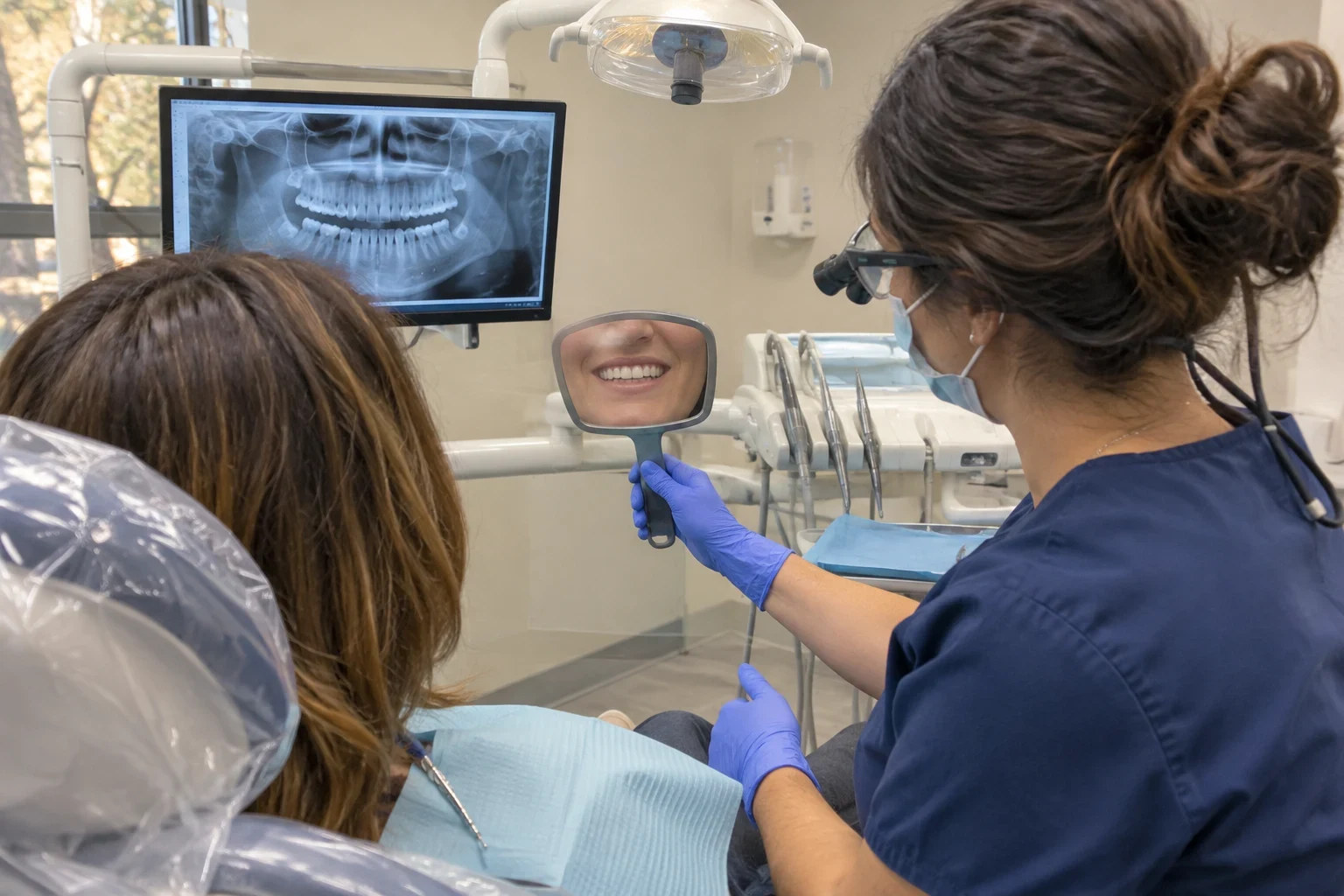
Urgent dental care, handled calmly
Emergency dentistry covers the problems that should not wait for your next cleaning: sudden pain, swelling, a broken or loosened tooth, a lost crown, or a sore spot after an extraction. Our first goal at the visit is relief. The second is a diagnosis you can understand, backed by digital X-rays and, when the picture needs more depth, a CBCT scan.
Many urgent visits start with an accident or a tooth that gave out at the worst moment. We photograph and chart what we find, so you have a clear record if you file a dental or medical claim. We are in-network with 15+ major PPO dental insurance plans, and we will walk you through what your plan typically handles. We do not act as your insurer, and we will not guess at coverage we cannot confirm.
No coverage? Ask about our In-house Membership Plan for uninsured patients.
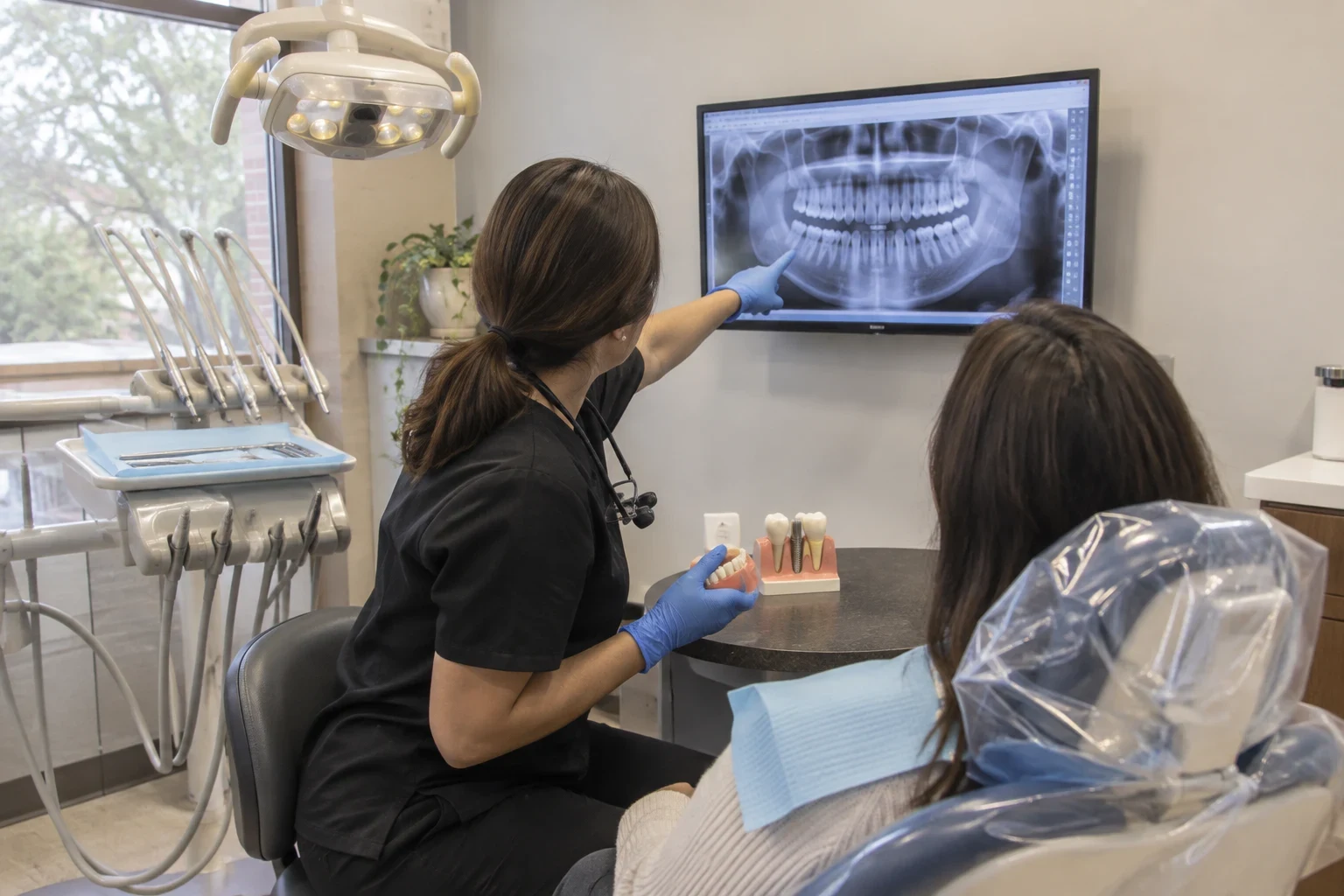
What an urgent visit includes
- 01
Focused exam and imaging
We check the tooth, the gums around it and how your bite comes together. Digital X-rays show decay, fractures and infection below the surface. A CBCT scan is added only when the problem needs a 3D view.
- 02
Pain relief first
Local anesthetic numbs the area before we do anything else. Depending on the cause, relief may mean draining an infection, smoothing a sharp edge or placing a soothing filling to calm an irritated nerve.
- 03
Temporary protection
A broken tooth or lost crown can often be covered with a temporary restoration during the visit, when the tooth allows it. That buys time to plan a lasting repair without rushing the decision.
- 04
Photos and a written record
We take intraoral photos and note the date, the tooth and what we observed. If an injury is involved, that record helps when you talk with your dental or medical insurer.
- 05
A treatment plan you can read
If the tooth needs more, such as a root canal, an extraction or a replacement with dental implants, we explain why and in what order. You get line-item costs before you agree to anything.
Questions about Emergency Dentistry?
Call(972) 367-3087Signs it is time for an urgent visit
Pain that wakes you up
Throbbing that gets worse when you lie down often means pressure from inflammation inside the tooth. Over-the-counter pain relievers may dull it, but they do not treat the cause.
Swelling or a bump on the gum
Swelling, a pimple-like spot on the gum or a bad taste can point to an abscess, and infection does not clear on its own. If swelling spreads toward your eye or makes it hard to swallow or breathe, seek hospital care right away.
A cracked or broken tooth
Even a painless crack can widen with chewing. Save any pieces you find and avoid biting on that side.
A knocked-out or loose tooth
Pick up an adult tooth by the crown, not the root, rinse it gently and keep it in milk. Phone us as soon as you can, since the odds of saving it drop with time.
A lost crown or filling
The exposed tooth is softer and more sensitive than the restoration that covered it. Keep the crown if you have it; sometimes it can be cleaned and reseated.
Lingering sensitivity
A sharp twinge to cold that fades quickly is common. Pain to heat that lasts a minute or more usually means the nerve needs attention.
How your visit goes
- 1
A short phone call
Tell us what happened and where it hurts. We offer the earliest appointment we have and let you know what to bring, such as your benefits card and any broken pieces.
- 2
Exam, X-rays and photos
We look closely, image the area and show you what we see on the screen. You will know which tooth is involved and why it hurts.
- 3
Relief and stabilizing
Once you are numb and comfortable, we treat the immediate problem. The goal is to have you leave out of pain with the tooth protected.
- 4
Your plan and next steps
We go over any follow-up care, what it costs and what your PPO plan usually covers. If you need a root canal or an extraction later, we schedule it at a pace that suits you.
What affects the cost of urgent care
The cost of an urgent visit depends mostly on what we find once we look. A loose filling and an infected molar are very different problems. Before any treatment beyond the exam, you get a written estimate so the numbers are clear.
- Where you start
- Many patients begin with our $25 Focused Evaluation (comprehensive exam, digital X-rays, CBCT scan if needed, treatment planning & consultation). It gives you a diagnosis and a plan before you commit to treatment.
- The cause of the problem
- Smoothing a chipped edge takes minutes. Treating an abscess or a split root takes more time, more materials and sometimes a second visit.
- Follow-up treatment
- Some teeth need a root canal and crown, others an extraction and later a replacement. Each step is priced separately on your estimate.
- Your PPO benefits
- PPO plans differ in deductibles, waiting periods and yearly maximums. We check your benefits and show you the expected share before treatment, while the final decision rests with your insurer.
- How you pay
- We offer 0% interest financing for up to 24 months, no credit score impact to check for preapproval. That can make a larger repair possible without delay.
Questions about urgent dental visits
Can I be seen today?
We make room for urgent problems when the schedule allows, but we cannot promise a same-day time. Phone us and describe what is happening. We will offer the earliest opening we have and explain how to manage the pain until then.
Will my insurance cover an urgent visit?
Most PPO plans include benefits for exams, X-rays and treatment of pain, though deductibles and limits vary. We can check your benefits with your plan before treatment begins. We explain what we find, but your insurer makes the final coverage decision.
My tooth broke in an accident. What should I keep for a claim?
Keep the date and a short note of what happened, any broken pieces and receipts. We add X-rays, photos and a written description of the injury to your chart. Ask us for copies, since a medical or third-party insurer may want them.
Should I go to the hospital or to a dentist?
For a toothache, a broken tooth or a lost crown, a dental office is the right place, because hospitals usually cannot repair teeth. Go to a hospital if you have swelling that affects breathing or swallowing, a high fever or an injury to your jaw or head.
Will you just pull the tooth?
Not unless that is the best option. We try to save a tooth first, often with a root canal. When a tooth cannot be kept, we explain why and talk through replacement choices such as dental implants or dentures.
What if I don't have dental coverage?
You can still be seen. Our In-house Membership Plan is built for uninsured patients, and financing is available for larger treatment. Ask about both when you call.
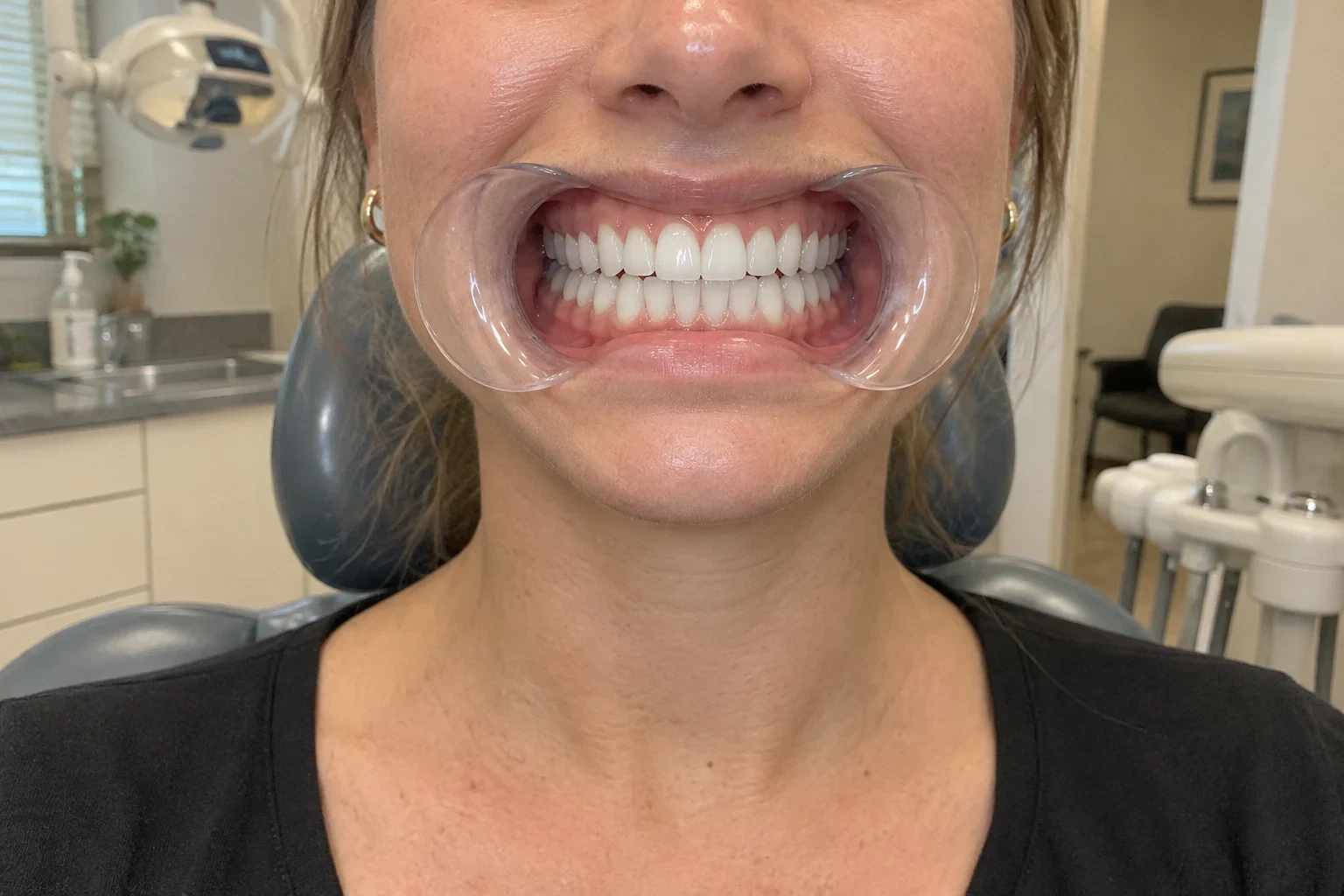
Get the pain looked at
Tell us what is going on and we will find you a time to come in. Patients from Highland Village and nearby towns like Flower Mound and Lewisville leave with a diagnosis, a plan and a clear picture of their costs.